




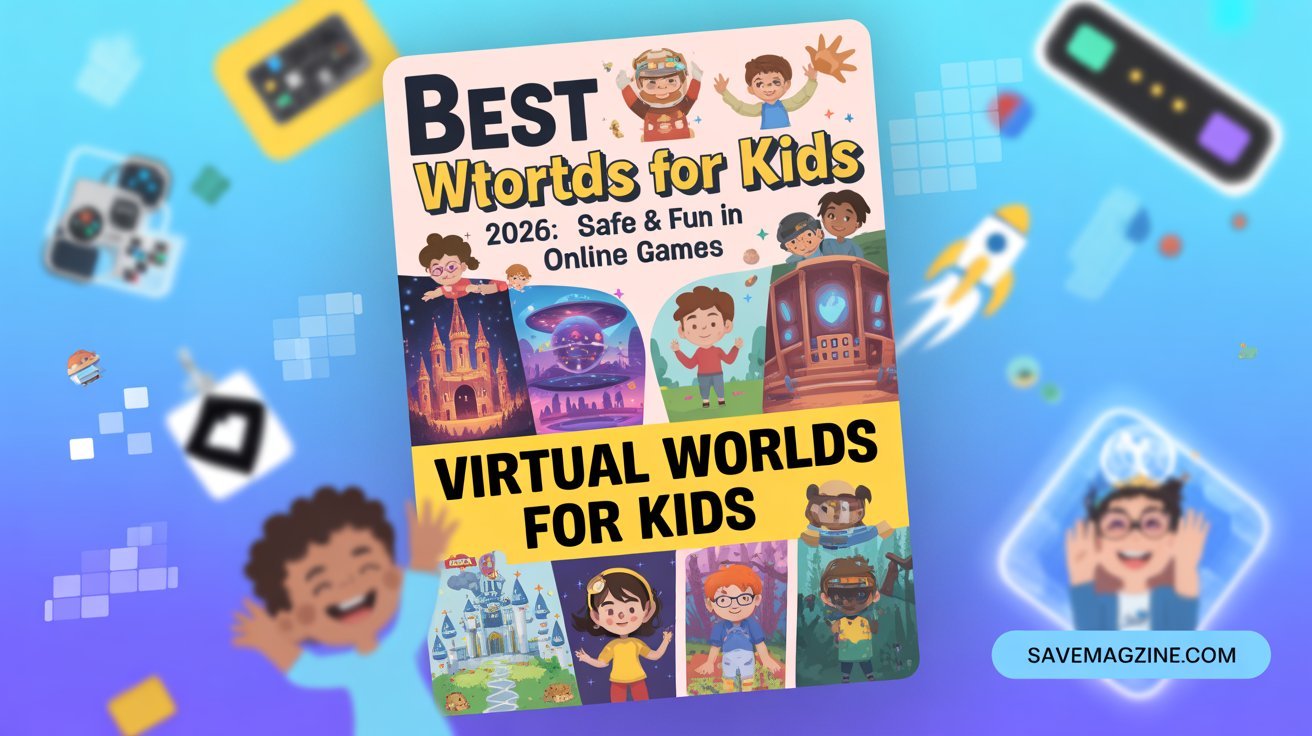
Imagine your child stepping into a world where they can build a skyscraper, bake a digital cake, or fly a dragon across a purple sky. This isn’t just a dream anymore. Today, virtual worlds for kids have become digital playgrounds where creativity and learning meet. These spaces allow children to explore new ideas from the comfort of their living rooms. As a parent, you might wonder if these sites are safe or just a waste of time. The good news is that many modern platforms are designed with safety and education as top priorities. They offer a great way for kids to develop problem-solving skills and make new friends in a controlled environment.
When we talk about these digital spaces, we are looking at more than just simple games. These are immersive environments where kids use avatars to interact with others. Think of it like a giant, interactive storybook where your child is the main character. Whether they are learning about teamwork in a block-building challenge or practicing math through a fun quest, the possibilities are endless. In this guide, we will look at the best options available today and how you can ensure your child has a positive experience. Let’s dive into the exciting universe of online play!
What Exactly Are Virtual Worlds for Kids?
At its core, a virtual world is a computer-based simulated environment. In these spaces, users create a digital version of themselves called an avatar. For children, these worlds are often bright, colorful, and filled with mini-games. Unlike a standard video game where you just follow a set path, these platforms offer freedom. Kids can choose where to go, who to talk to, and what to build. It is a bit like a digital version of a park or a playroom.
These platforms have evolved significantly over the years. In 2026, they are more interactive than ever. Many now include features that help with school subjects like science and history. They also use advanced moderation to keep conversations polite and safe. Understanding this digital landscape helps you pick the right spot for your little explorer to land.
Why Social Interaction Matters Online
One of the biggest draws of these platforms is the social aspect. Kids love to feel connected to their peers. In a safe virtual world, they can chat, collaborate on projects, and join clubs. This helps them learn important social cues in a digital setting. They learn how to take turns, share digital items, and work toward a common goal. It is great practice for real-world social situations.
For children who might be a bit shy in person, the digital world offers a low-pressure way to speak up. They can express themselves through their avatar’s style or the homes they build. However, it is always important to remind them that behind every avatar is a real person. Kindness and respect are just as important online as they are at school.
Top Creative Platforms for Young Builders
If your child loves to create, certain worlds are perfect for them. Platforms like Minecraft or Roblox (with proper filters) allow kids to design entire cities. They use “blocks” or simple coding to bring their imagination to life. This type of play is excellent for developing spatial awareness and basic engineering logic. It turns a screen session into a productive building project.
Many of these sites also have “Creative Modes” where there are no enemies or timers. This lets a child focus entirely on their art or architecture. You might be surprised to see your seven-year-old building a detailed replica of the Eiffel Tower! These moments of high creativity are what make virtual worlds for kids so special and valuable.
Learning Through Digital Play
Believe it or not, gaming can actually make kids smarter. Many virtual environments are built by educators. They include puzzles that require logic and math to solve. For example, a child might need to calculate the area of a room before they can buy the right amount of digital wallpaper. This makes learning feel like a fun challenge rather than a chore.
Some worlds focus specifically on “Quest-Based Learning.” Here, children go on adventures to save a kingdom or discover a lost city. Along the way, they read instructions, solve riddles, and learn about different cultures. It is an immersive way to pick up new information without even realizing they are studying.
Essential Safety Tips for Parents
Safety is the most important part of any online activity. First, always check the privacy settings of a new game. Most virtual worlds for kids allow you to turn off public chat or limit it to “canned” phrases. This means your child can only say things like “Hello!” or “Good game!” This prevents them from sharing personal details like their real name or where they live.
Another great tip is to keep the gaming device in a common area of the house, like the living room. This allows you to keep an ear out for what is happening in the game. You can also play the game together for the first few days. This helps you understand how it works and lets you set clear rules for screen time and behavior.
The Role of Avatars in Self-Expression
Avatars are more than just digital dolls. They are a way for kids to show who they are. Choosing a hair color, an outfit, or even a pet allows them to explore their identity. In many worlds, kids can earn “coins” by completing tasks to buy new items for their avatar. This teaches them basic financial skills and the value of working toward a goal.
It is also a safe way to experiment. A child might want to see what they look like with blue hair or a superhero cape. Since it is all digital, there are no permanent changes or costs. Encourage your child to talk about why they chose a certain look. It is a great conversation starter about their tastes and interests.
Balancing Screen Time and Real Life
While these worlds are fun, balance is key. It is easy for a child to get lost in a digital forest for hours. Setting a timer is a simple way to manage this. You might decide on one hour of “virtual world time” after homework is finished. This ensures they still have plenty of time for physical play, reading, and family interaction.
A good rule of thumb is the “One-for-One” rule. For every hour spent in a virtual world, spend an hour doing something active outside. This keeps their bodies healthy while their minds are busy exploring. Many parents find that clear boundaries make the time spent online more enjoyable and less stressful for everyone.
Exploring Virtual Science and History
Did you know your child can visit Ancient Egypt or the surface of Mars? Some virtual worlds are dedicated to “Field Trips.” These platforms use 3D models to recreate historical sites or scientific environments. A student can walk through a digital museum and see dinosaur bones up close. This is much more engaging than just looking at a picture in a textbook.
These experiences can spark a lifelong interest in a subject. After “visiting” a virtual coral reef, a child might want to go to the library to find books about sea turtles. It turns the digital world into a gateway for real-world knowledge. It’s a powerful tool for any curious young mind.
Dealing with “Cyber-Etiquette”
Just like on the playground, kids need to learn how to be “good citizens” online. This is often called digital citizenship. Teach your child to never say anything online that they wouldn’t say to someone’s face. If they see someone being mean, they should know how to use the “Block” or “Report” buttons. Most reputable sites have these tools easily accessible.
Explain that being a leader in a virtual world means being helpful. If they see a new player who is lost, they can show them the way. These small acts of kindness help build a positive community for everyone. It also builds your child’s confidence as they take on a helpful role within their favorite game.
Future Trends in Kids’ Virtual Spaces
The technology behind these worlds is changing fast. In the coming years, we will see even more “Immersive Learning.” This might include more voice-controlled features or better graphics that make the worlds feel even more real. Some schools are even starting to use these spaces for virtual classrooms where students can collaborate from different cities.
As these tools improve, the focus on safety will also grow. We can expect better AI moderation that catches mean words before they are even sent. The goal is to create a “walled garden” where kids can enjoy all the benefits of the internet without the risks. It is an exciting time to be a young explorer in the digital age!
Conclusion
Exploring virtual worlds for kids is a wonderful journey if done correctly. These platforms offer a unique mix of creativity, social connection, and education. By choosing the right sites and setting clear boundaries, you provide your child with a safe space to grow and learn. Remember to stay involved, ask questions, and maybe even join in on the fun occasionally. The digital world is vast, but with a little guidance, it can be a bright and positive part of your child’s upbringing.
FAQs
1. Are virtual worlds safe for children under 10?
Yes, many are very safe! Look for sites that have “COPPA” certification. This means they follow strict laws about child privacy. Always use parental controls to limit chat and monitor their activity.
2. Do I have to pay for these virtual games?
Many are “Freemium,” which means they are free to join but offer items for sale inside. You can usually disable “in-app purchases” in your device settings to avoid any surprise bills.
3. Can my child learn school subjects in a virtual world?
Absolutely! Many platforms are specifically designed for education. They cover everything from basic math and reading to complex subjects like coding and history through interactive games.
4. How much screen time is okay for a virtual world?
Most experts suggest a balance. One hour per day is a common limit for younger kids. The most important thing is ensuring it doesn’t replace sleep, exercise, or face-to-face time.
5. What should I do if my child meets a stranger?
Teach your child to never share personal info like their name or school. Most kids’ worlds only allow “safe chat” with pre-set phrases, which prevents strangers from asking personal questions.
6. Do virtual worlds help with social skills?
Yes! They allow kids to practice sharing, working in teams, and communicating clearly. It is a great way to build confidence before navigating social situations in the real world.
About the Author