




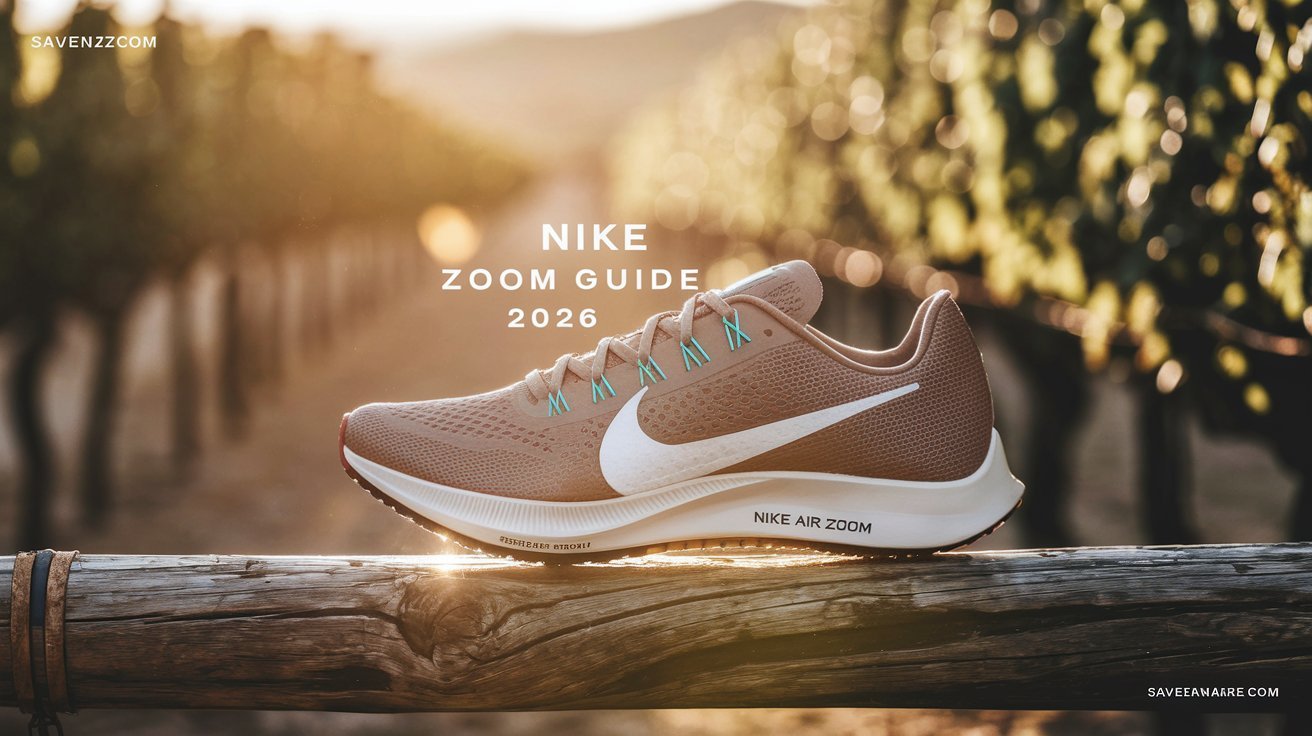
When you think about “pop” or “bounce” under your feet, you are likely thinking about nike air zoom technology. It is not just a fancy name; it is a system of tightly stretched fibers inside a pressurized air unit. When your foot hits the ground, these fibers snap back quickly. This gives you a springy feeling that helps you move faster with less effort. Whether you are walking to class or sprinting for a gold medal, this tech has become the gold standard for comfort and speed.
I remember the first time I laced up a pair. The sensation wasn’t just soft; it felt like the shoes were actually helping me push off the pavement. Over the years, Nike has taken this single idea and branched it out into dozens of different sports. From the legendary Pegasus line to the high-flying basketball courts, the evolution of this cushioning has been nothing short of a revolution in footwear design.
The Speed Demon: Nike Air Zoom Victory
If you are a middle-distance runner, the nike air zoom victory is likely your best friend on the track. This shoe is built specifically for races like the 800m to 5,000m. It uses a very special combination of ZoomX foam and a tuned Zoom Air unit. This mix ensures that every time your foot strikes the track, you get a massive return of energy. It is incredibly lightweight, making it feel like you are wearing almost nothing at all while you fly around the curves.
What makes this spike stand out is the stability it offers during high-speed turns. While some track shoes can feel a bit wobbly, the Victory keeps you locked in. Many elite athletes choose this model because it balances aggressive traction with enough cushion to keep their legs fresh for the final lap. It is a technical masterpiece designed for those who live for the sound of the starting gun.
The Legend Lives On: Nike Air Zoom Pegasus 38
The nike air zoom pegasus 38 holds a special place in the hearts of daily runners. It was the shoe that fixed many of the “fit” issues people had with older versions. Nike brought back a wider toe box, giving your toes more room to breathe and splay naturally. Inside the midsole, you’ll find a thick React foam layer paired with a large Zoom Air unit in the forefoot. This combo made it one of the most reliable trainers for long-distance runs.
Even today, many people search for this specific model because of its plush tongue and secure “sandwich” mesh upper. It’s the kind of shoe you can trust for 400+ miles without it falling apart. If you want a workhorse that feels comfortable the moment you take it out of the box, the 38 is a classic example of Nike getting the basics perfectly right.
Retro Style Meets Modern Comfort: Nike Air Zoom Spiridon Cage 2
Sometimes, the best tech comes from the past. The nike air zoom spiridon cage 2 first arrived in 2003, but it has made a huge comeback in the 2020s. It features a very visible “caged” Zoom Air unit in the heel. This gives it a tech-heavy, robotic look that fashion lovers crave. But don’t let the retro vibes fool you—it is still a very comfortable shoe for all-day wear.
The mesh upper is extremely breathable, which was a huge innovation back in the early 2000s. Today, it serves as a perfect lifestyle sneaker that stands out in a crowd. It bridges the gap between high-performance heritage and modern streetwear. Whether you are wearing them with track pants or jeans, the Spiridon Cage 2 provides that signature responsive bounce that defines the entire Air Zoom family.
Defying Gravity With the Nike Air Zoom GT Jump
For the basketball players who live above the rim, the nike air zoom gt jump is a game-changer. This shoe is packed with more “Air” than almost any other hoop shoe in history. It uses a full-length Zoom Strobel unit, plus additional Zoom units in the heel and forefoot. The goal is simple: to protect your joints when you land and give you extra lift when you jump.
Playing in these feels like jumping on a mini-trampoline. The “Jumpframe” helps keep your foot stable so you don’t roll your ankle during quick cuts. It’s a bit heavier than a low-profile guard shoe, but for centers and power forwards, the impact protection is unbeatable. If you are someone who deals with knee pain after a long game, the GT Jump might be the solution you’ve been looking for.
The Refined Workhorse: Nike Air Zoom Pegasus 39
When the nike air zoom pegasus 39 arrived, it brought a much-needed weight reduction. Nike managed to make the shoe lighter while actually adding more cushioning. Unlike the 38, the 39 features two Zoom Air units instead of one—one in the heel and one in the forefoot. This created a much smoother transition from the time your heel hits the ground to when your toes push off.
The upper also got a major upgrade with “Flywire” technology. These are tiny, strong cables that wrap around your midfoot to keep you secure. It feels more like a “racing” version of the Pegasus while still being durable enough for everyday training. If you felt the previous versions were a bit too chunky, the 39 was the version that finally streamlined the experience for a faster feel
The Pinnacle of Daily Training: Nike Air Zoom Pegasus 40
The nike air zoom pegasus 40 celebrated four decades of this iconic line. Instead of changing the midsole, Nike focused entirely on the “inner sanctum” of the shoe. They redesigned the internal lining and padding to make it the most comfortable Pegasus ever made. It uses a highly engineered mesh that adapts to the shape of your foot as you run, reducing hot spots and friction.
What I love about the 40 is its consistency. You know exactly what you are getting: a neutral, responsive ride that works for a 5k or a full marathon. It still uses the dual Zoom Air units that were so popular in the 39, ensuring that the “pop” remains intact. It’s the ultimate “safe bet” for any runner who wants a shoe that just works without any gimmicks or learning curves.
Exploding Out of the Blocks: Nike Air Zoom Maxfly
When seconds turn into milliseconds, you need the nike air zoom maxfly. This is the most aggressive sprinting spike Nike has ever created. It features a large, dual-chamber Zoom Air unit in the forefoot that acts like a propulsion engine. Combined with a stiff carbon fiber plate, it forces you onto your toes and keeps you there. It is designed for the 100m to 400m sprints where every bit of energy return matters.
Because it is so specialized, the Maxfly feels very stiff and “clunky” when you are just walking. But once you start sprinting, it comes alive. The energy return is so high that some runners say it feels like they are cheating. It’s the pinnacle of nike air zoom engineering, pushing the limits of what a shoe can do to enhance human speed on the track.
How to Choose the Right Air Zoom Shoe for You
Choosing between these models depends entirely on your “why.” If you are looking for a shoe to wear to the gym and then to lunch, the nike air zoom spiridon cage 2 is a stylish and comfy choice. However, if you are training for your first 10k, you should look at the nike air zoom pegasus 40. It offers the durability and protection your legs need for those daily miles.
For the serious athletes, the choice gets more specific. Basketball players should aim for the nike air zoom gt jump for max height, while sprinters need the raw power of the nike air zoom maxfly. Always consider your foot shape too; the Pegasus line is generally great for most feet, but the “Victory” and “Maxfly” spikes run very narrow for a tight, race-ready fit.
Conclusion
The world of nike air zoom is vast and exciting. Whether you are looking at the classic nike air zoom pegasus 38 or the futuristic nike air zoom victory, the core mission is the same: to make you feel faster and more protected. From the courts to the streets, this technology continues to evolve, proving that a little bit of pressurized air can go a long way in changing how we move.
Faqs
Is Nike Air Zoom good for standing all day?
Yes! Models like the nike air zoom spiridon cage 2 or the Pegasus series are excellent for long hours of standing because the air units don’t bottom out like traditional foam does.
What is the difference between Zoom and Air Max?
Air Max is designed for maximum impact protection and usually looks “bulkier.” nike air zoom is designed for “responsiveness” and speed, giving you a quicker bounce-back feeling.
Can I use the Nike Air Zoom GT Jump for volleyball?
Absolutely. Many pro volleyball players use the nike air zoom gt jump because the high level of cushioning is perfect for the constant jumping and landing involved in the sport.
How long do the Nike Air Zoom Pegasus 40 last?
Typically, you can expect between 300 to 500 miles. The React foam and rubber outsole are very durable, making the nike air zoom pegasus 40 a great value for the price.
Are the Nike Air Zoom Maxfly spikes durable?
Because they are built for extreme performance, they are thinner than daily shoes. They are meant for race days and high-intensity sessions rather than every single practice.
Does the Nike Air Zoom Victory have a carbon plate?
Yes, it features a Carbon Fiber Flyplate that works with the Zoom Air units to provide a snappy, propulsive feel that is essential for track racing.
About the Author